

1·
15 hours agoHe started a war with Iran. It was the Republican president before him, Bush, who started a war with Iraq.
He started a war with Iran. It was the Republican president before him, Bush, who started a war with Iraq.
It’s not really about ALPRs though. ALPRs have been in use in some form since the 1970s. The issue is the information they gather and where it goes.
This focused hatred of “ALPRs” is good in the short term to drive change but not in the long term for sustainable action.
For example, all consumer automobiles in the US require front-facing collision avoidance cameras by 2029 under federal automotive safety laws. Tack an ALPR system on, use the built in cellular and satellite collections and all of a sudden every vehicle becomes an ALPR camera on wheels.
People are filmed and photographed all the time these days; think things like business CCTV, home camera systems like Ring, pre-existing DOT cameras, dash cams, people filming their lives and everywhere they go etc. etc.
In the long term people need to control the collection and use of the data and establish some significant penalties for misuse. It would be nice if, in the US, we could establish that any data gathered by ALPRs is covered under the 4th amendment and require a warrant for starters.
I also think the data should be required to be stored by the government agency utilizing it, no third parties.
Pocket shot or wrist ticket with ball bearings?

Yeah, my experience has been the same which is why I wanted to clarify.
Most of those electronics are new though, and we don’t have a way to compare apples to apples. It’d be nice if manufacturers still offered a truly base model like they did decades ago.
is one of the main reasons why new cars today aren’t as reliable as ones from the early 2000’s.
I’m curious about the data that supports this claim? I’ve often heard people lament how cars have “gotten worse” or aren’t “as reliable” as they used to be but I recently read an article from Worse on Purpose that highlights how cars are better manufactured than they used to be.
Or are you using reliability to refer to the accessories and features newer cars have that can fail or require more difficult repair without actually impacting a modern vehicles primary function of transport?
Why are they a rube?
Per the link in your screenshot OSM is following the standard of using the GNIS official name, while also keeping the displayed name as the common name until and if common usage on both sides of the border begins to reflect the official name in GNIS.
Precedent from the Gulf of Mexico/“Gulf of America” discussion as well as accepted OSM convention would suggest that once GNIS is updated (which it appears it is already),
official_name:en-US=*should be added/changed toLake America, butname=*left as is unless and until common usage on the ground on both sides of the border shifts to prefer the “Lake America” name (which seems very unlikely).
Note: emphasis is mine
Not really, no.
Let’s say your name is John and for 200+ years everybody called you John. Then, along came a person we’ll call Captain Kiddiefucker.
Now Captain Kiddiefucker is a moron who wields significant power and directs everyone who’s too chickenshit to stand up to him that they should start calling you Guy.
Your name is still John, except now you have the advantage of easily recognizing Captain Kiddiefucker and his cult of pedophiles and idiots because they’ll all call you Guy.
That’s basically what this EO does.
Why does this feel like Buc-ee’s decided to try and cash in on MAGA appeal. Wonder how that will work out long term.

Not a uniquely American problem:
https://blogs.cornell.edu/issues/newsletter/right-wing-extremism-on-the-rise-globally/
Might make more sense for people across the globe to support each other against right-wing extremism rather than tear each other down and point fingers.
But you do you, I guess…
Yes, just a few things:
My great-great-grandfather’s portrait, bayonet and a copy of his discharge papers from his Civil War service.
The flag from my grandfather’s coffin.
There are things I’d like to have/keep in the family when my parents pass.
I’m willing to bet that the BBC will PAY Trump money at the end of this
I’ll take your bet. What do you want to wager?
GDPR is a law with real legal consequences that protects EU citizens (EU as in European Union).
Do European citizens frequently turn to an “affiliate for the Duluth-Superior broadcast area, which covers northeastern Minnesota, northwestern Wisconsin, and the western portion of Michigan’s Upper Peninsula” for their news?
Do you spouse it’s easier for a local or regional organization to set policy to block warn GDPR covered connections or have someone spend time ensuring the site is GDPR compliant for the 1s? 10s? 100s? of hits they get?
they don’t need to retrofit their entire website.
Except they do, because even if they’re pretty certain their site is compliant with GDPR they’d still have to review the code to make certain it is or risk legal liability if anything isn’t.
Many small to medium organizations that aren’t operating outside of the USA chose to just block connections instead.
Is there a lot of people outside the US checking an “affiliate for the Duluth-Superior broadcast area, which covers northeastern Minnesota, northwestern Wisconsin, and the western portion of Michigan’s Upper Peninsula” regularly for their news?
Fox 21 is a local affiliate of Fox based in Duluth, MN. It’s a regional news source for Michigan, Wisconsin and Minnesota.
I seriously doubt they get enough traffic from GDPR regulated countries to retrofit their entire site to be compliant when it is targeted for a very specific audience in the US.
Please skip the article and check out the site being referenced: worseonpurpose.com
There’s an opportunity to support Keyana in their endeavor and get an early contributor price before 8/31/2026.

You do not need to provide one for Reddthat instance.
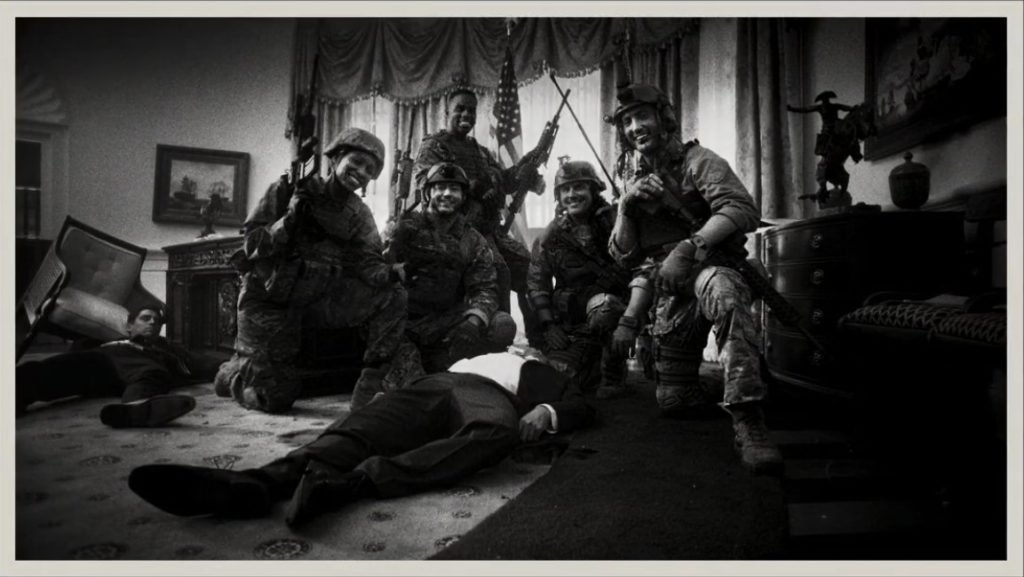
Trump was never against war in Iran or the Middle East and he’s not for it now.
Trump’s only interest and allegiance is to Trump and always has been. Donald J. Trump is what NPD would be if it came to life off the pages of a psychology textbook.