AmbitiousProcess (they/them)

  • 0 Posts
  • 9 Comments
Joined 9 months ago
cake
Cake day: June 6th, 2025

help-circle
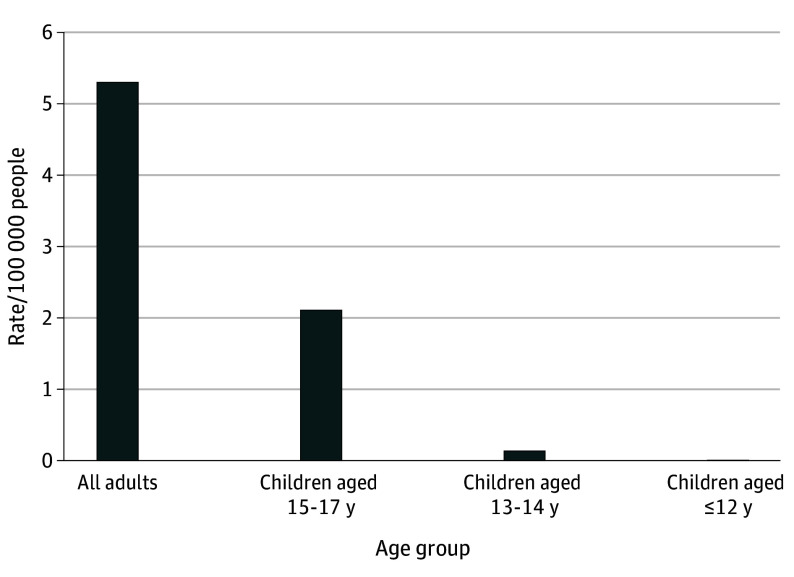
  • According to this paper, out of all the gender-affirming procedures done in 2019: (to clarify, this means only the ones done in 2019, not overall % rates of like, total procedures by population over time. This is ONLY data from surgeries done solely in 2019.)

    • 0.0053% of adults got one
    • 0.0021% of 15-17 year olds got one
    • 0.0001% of 13-14 year olds got one
    • 0% of 12 or under children got one.

    80% of adult breast reduction procedures were done for cisgender males, and 97% of minor breast reductions were done on cisgender males.

    Here’s their graphs. (TGD means transgender or gender diverse diagnosis) image
    image

    And of course, the study even specifically addresses the fact that so many people are concerned about gender affirming care by minors, while the data shows that’s clearly unwarranted, stating:

    these findings suggest that concerns around high rates of gender-affirming surgery use, specifically among TGD minors, may be unwarranted. Low use by TGD people likely reflects adherence to stringent standards of gender-affirming care


  • Privacy affects a number of things, so it’s hard to give any broad answer, but here’s a few individual examples I guess.

    • You close the door when you use the bathroom. We are simply uncomfortable with being perceived in a vulnerable situation like that by other people in most circumstances. To get rid of privacy would be to get rid of your bathroom door, and make yourself uncomfortable when you simply don’t have to be.
    • You store your passwords and don’t share them with anyone. To give up privacy would be to give up all the access to your private accounts.
    • You might not state exactly how much money you have when you’re in public. Without privacy, people with a lot to lose would suddenly be easily identifiable targets for bad actors that could kidnap them, extort them for ransom, etc.
    • Online search habits can identify things about you. A lack of privacy means targeted advertisements can convince you to buy things you wouldn’t waste your money on otherwise, (cough cough instagram showing teen girls beauty ads specifically when it detected they were feeling insecure), or that governments and corporations can influence your decisions and opinions away from your best interests (cough cough Cambridge Analytica scandal)
    • Being open isn’t always beneficial. You might lie to a child about where puppies go when they die, because making that currently private information public to the child would only make the situation harder for them.
    • Harassment relies on identifiable information about you. If you had to publish your name, address, phone number, and email with every account you made because privacy didn’t exist, any statement someone dislikes could lead to major problems for you. This means self-censorship, and constantly living in fear if your ideas exist outside someone else’s acceptable worldview who happens to also be willing to cause you harm.

    Obviously these are just a few examples, and there are ways in which a lack of privacy can also be beneficial. For example on my harassment point, you could also argue it’s bad that neo-nazis have anonymity, because it makes it hard to stop their dangerous rhetoric, but that could again be countered by saying neo-nazis are much more likely to harass and threaten people, who themselves then need privacy.

    It’s a similar argument to free speech. It might not be good for everyone in all cases, but limiting free speech (or in this case, not having or limiting privacy) would lead to oppressive ideologies gaining power faster than non-oppressive ones, would dull human expression and make things more monolithic, and generally make any form of democratic or outside-the-norm expression extremely difficult if not impossible, so we accept the potential downsides in favor of the much larger upsides.


  • UPDATE: The article has now linked to the newly published study. It claims a maximum concentration of bisphenols of 351mg/kg, above the 10mg/kg limit proposed by ECHA, but they don’t give any concrete numbers on how likely any of those bisphenols are to actually leech from the product into your body. The average sum of all bisphenols/sample was just 15. They note the parts not touching the skin often had more bisphenols than the parts actually touching the skin, with about 50% more of those areas than the non-skin-contacting ones being put in their “green” category, meaning it’s fairly in compliance with most protective standards.

    Of the parts touching the skin, 68% were green, 21% yellow, and 11% red.

    And onto flame retardants, 100% of products with HFRs were green, and 84% with OPFRs were green.

    For pthalates, 87% were green, and less than 1% were red.

    Essentially, the TLDR is that most of the things they tested either met most standards, were very close to meeting them, or technically didn’t meet standards but mostly just in areas that didn’t even come in contact with the skin at all. AKA, it’s mostly overblown.

    Original Post:
    No source linked by the article, no visible press releases that don’t just pretend to be a real press release while citing the articles, no official blog posts, and the only official sounding mention of this that comes from a more direct source is a coalition on linkedin saying a person at a sub-group of the broader project was gonna talk with them about it.

    No stats, no numbers, just “they found it” in the headphones.

    You could find a chemical well under the safe limit in drinking water, and say “we found x in your water” and make a big scare of it when it’s not a big deal.

    While I have no doubt BPA and its counterparts could be used in manufacturing of headphones, without any actual data, this is literally no better than when your uncle at Thanksgiving starts yapping about how the government found some data one time and that means you should never drink tap water again.

