

Ritidian Point, at the northern tip of Guam, is home to an ancient limestone forest with panoramic vistas of warm Pacific waters. Stand here in early spring and you might just be lucky enough to witness a breaching humpback whale as they migrate past. But listen and you’ll be struck by the cacophony of the island’s live-fire testing range.
Widely referred to as the “tip of the spear” in the American arsenal, Guam—which is smaller than New York City but home to a military community of nearly 23,000—is a dichotomy of majestic nature and military might.
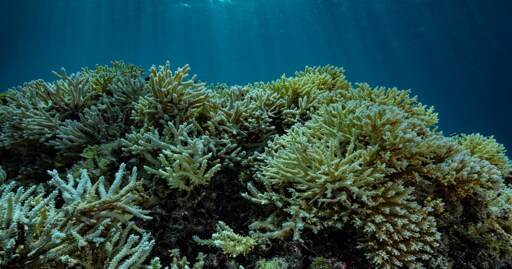
The real powerhouse of the Pacific exists not on land but just below the water’s surface in its biological resilience, which is now threatened by the Pentagon’s quest for strategic deterrence. The weapons that miss their target on the testing range will soon find a different one, sinking down to the most diverse coral reef of any U.S. jurisdiction. A battle between the two is now emerging.
The U.S. government is accelerating coral reef collapse around Guam, alleges a team of international researchers in a letter released this month in Science. They warn administration pressures to prioritize national security—through dredging projects, increased military infrastructure and live firing ranges—will cause harm to endangered habitats.
All collapse, really. But I guess that would include the corals…