Allow me to rephrase Starbucks’ claim: “the plastic we said was recyclable decades ago but then found to be prohibitively expensive to recycle, information that didn’t change our practice at all, is now considered recyclable again and wevre taking credit and celebrating but still pawning the task off on whoever takes our garbage”
Polypropylene is #5, which nearly all takeout containers are made form in my experience. My town hasn’t taken any plastic besides 1/2/3 for at least a decade.
1: polyethylene, such as soda bottles
2: high density polyethylene, such as milk jugs (and a pretty good material for flat bearings)
3: pvc, such as medicine bottles
4: low density polyethylene, such as bags
5: polypropylene, such as most food takeout containers
In my opinion, companies should be required to recycle and penalized if they don’t. This word salad of talking about how things are possible is meaningless if it isn’t done.


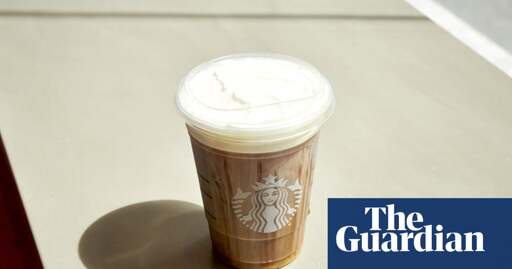
Allow me to rephrase Starbucks’ claim: “the plastic we said was recyclable decades ago but then found to be prohibitively expensive to recycle, information that didn’t change our practice at all, is now considered recyclable again and wevre taking credit and celebrating but still pawning the task off on whoever takes our garbage”
Polypropylene is #5, which nearly all takeout containers are made form in my experience. My town hasn’t taken any plastic besides 1/2/3 for at least a decade.
1: polyethylene, such as soda bottles
2: high density polyethylene, such as milk jugs (and a pretty good material for flat bearings)
3: pvc, such as medicine bottles
4: low density polyethylene, such as bags
5: polypropylene, such as most food takeout containers
In my opinion, companies should be required to recycle and penalized if they don’t. This word salad of talking about how things are possible is meaningless if it isn’t done.
Some plastic water cups and takeaway containers are 1, but most of them are 5 or 6, in my recent experience.