

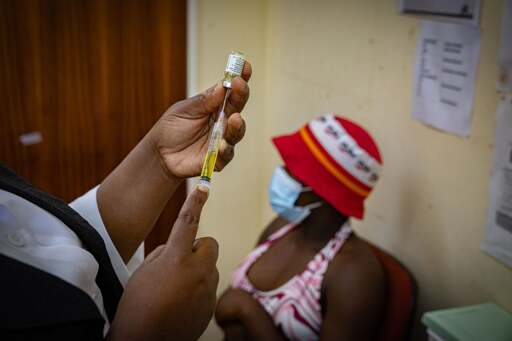
Lianne was just 13 when she lost her parents to Aids. Newly orphaned, she had to find a way to keep herself and her younger sister alive. With no money to finish school, unable to find a job and struggling to put food on the table, there was only one option – sex work. Now 24, she knows the dangers in Eswatini, a kingdom in southern Africa once described as the epicentre of the HIV epidemic and a country still struggling with some of the highest infection rates in the world. “Both my parents passed away. Hunger led me to join this work although I know it’s risky,” Lianne says, explaining that she earns under £25 a week. She is unable to acquire HIV preventative medication – known as PrEP – on her own. But there is now hope in the form of lenacapavir – dubbed the “miracle” drug – which the United Nations hopes can protect millions of people like Lianne and even end the Aids epidemic altogether.
The twice-yearly injection – described by the head of the UN Aids agency as “the closest thing we have to a vaccine” – provides near complete protection against infection. Lenacapavir is being introduced for the first time in nine of the most at-risk countries, including Eswatini, meaning Lianne was among the first people in the world to get the injection. While it is a big step forward in HIV care, concerns have been raised about the extent of the rollout and fears it will be ineffective if it is not introduced on a global scale.
Methinks the Trump admisistration won’t allow it in the US.