

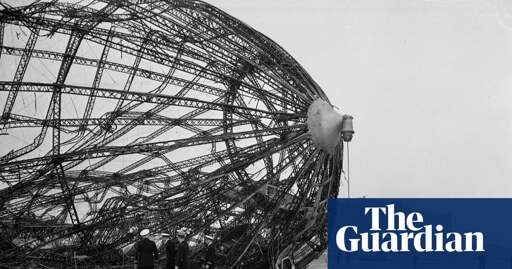
The difference being that the Hindenburg was a perfectly functioning rigid airship that had a lot of inherent risks due to the nature of its design.
AI isn’t good enough at its actual job to be in this position. The risk of AI is people pretending that it works when it doesn’t. It would be like if you made a blimp and filled it with carbon dioxide and people kept buying tickets and just sitting there waiting for it to take off.
With society insisting that it’ll take off in the future and only suckers would leave.
“It’s the classic technology scenario,” he said. “You’ve got a technology that’s very, very promising, but not as rigorously tested as you would like it to be, and the commercial pressure behind it is unbearable.”
Is it promising though, Michael Wooldridge? Have you recently attended any magic shows and become excited by the potential of invisibility technology?
This is a good comparison if all it took for the Hindenburg to explode was just asking it to role-play as a ship that could explode. Conscious effort had to be expended to make the thing fail, but most models start to fail spectacularly if you use it in good-faith for more than like 30 minutes.
